

-
Solutions
-
OEM Products
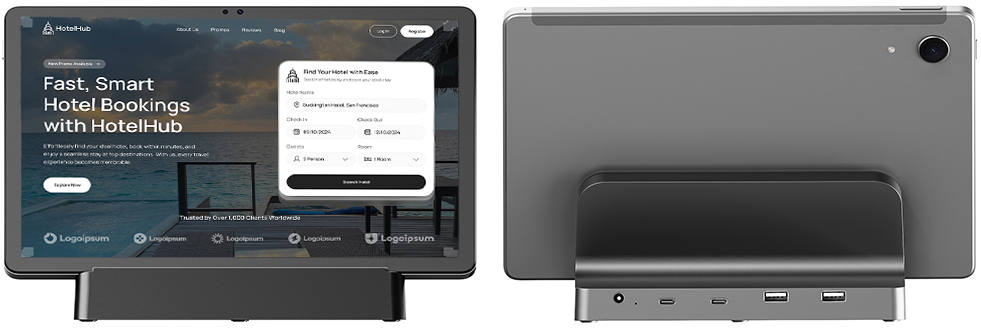
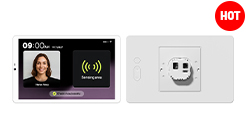
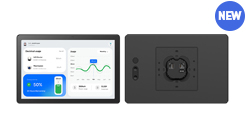
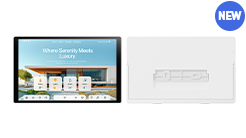
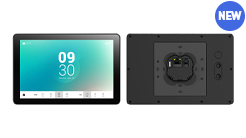
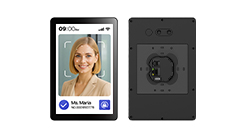
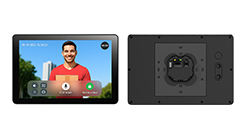
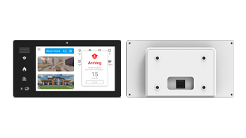
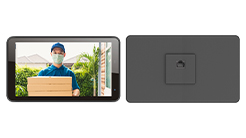
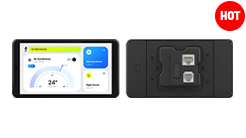
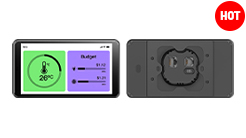
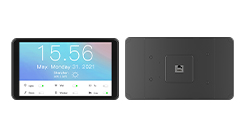
5.5-inch PoE Wall-Mount Tablet for Smart Hotel & Building Control
Model: WP30
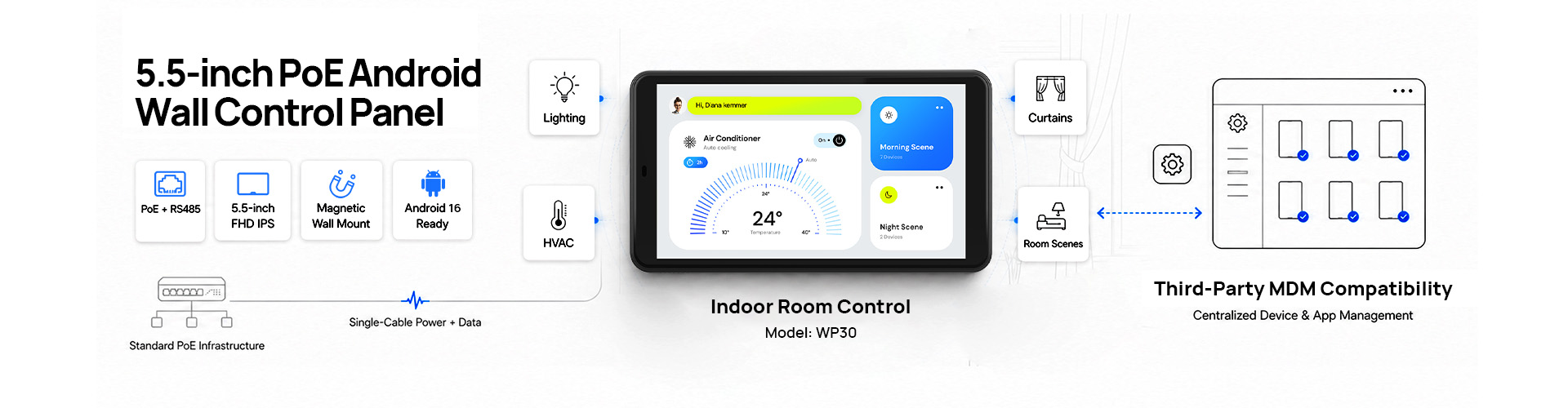
The 5.5-inch PoE Wall-Mount Tablet (Model WP30) is a customizable Android control panel developed for smart hotel rooms, building automation and fixed commercial installations. Built for system integrators, solution providers and project developers, it combines a Full HD touchscreen, PoE, RS485, USB-C and magnetic wall mounting in an IP54 aluminum housing.
1) For system integrators and solution providers
2) Project-based hardware and Android customization
3) UK and US gang box installation support
4) Prototype, pilot run and mass-production support
1) For system integrators and solution providers
2) Project-based hardware and Android customization
3) UK and US gang box installation support
4) Prototype, pilot run and mass-production support
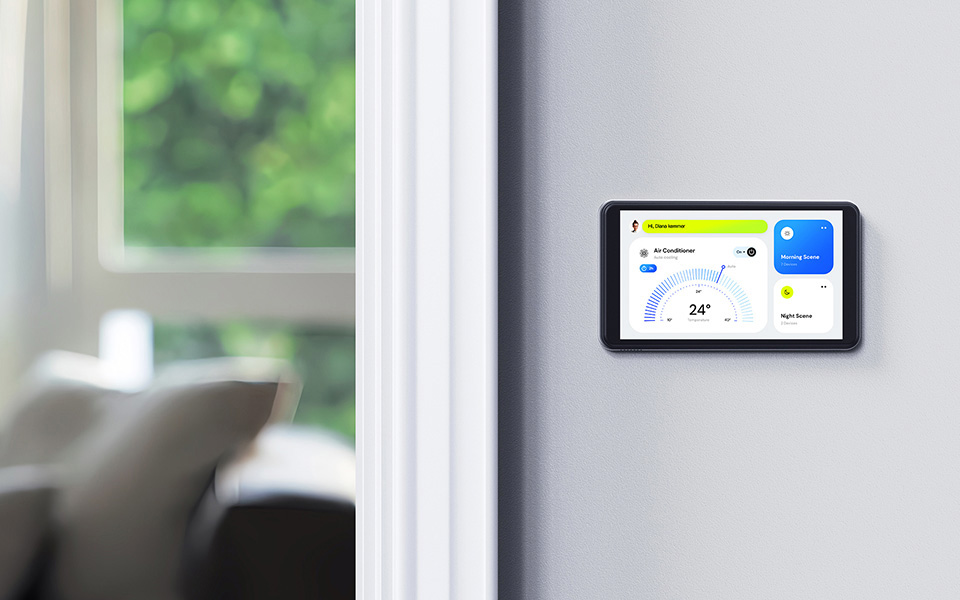
POE Tablet PC for Smart Hotel:Compact Control, Reliable Wired Deployment
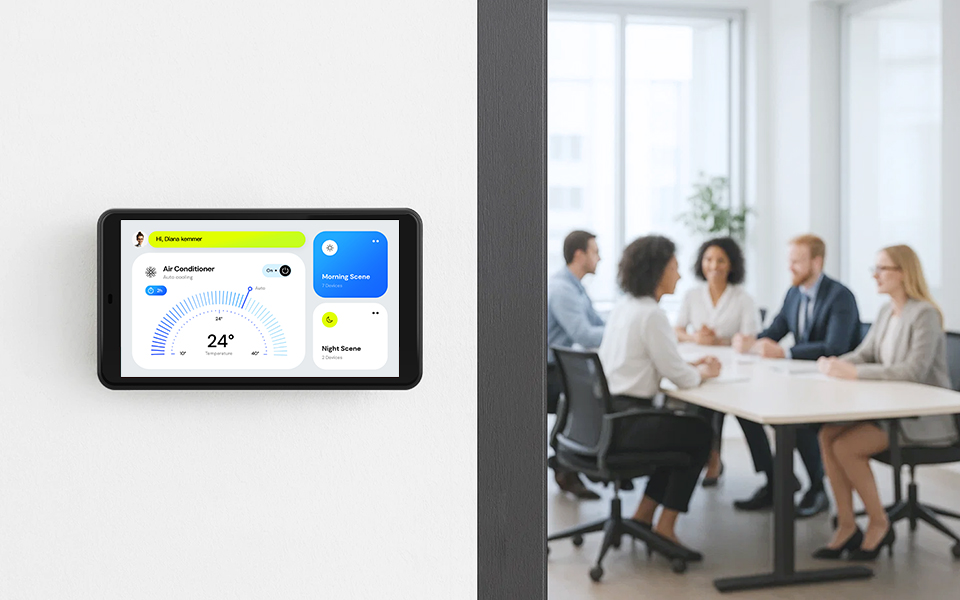
WP30 provides a compact Android interface for hotel guest-room control, smart-building automation, meeting-room management and other fixed commercial systems. Pretech supports project-specific hardware, Android firmware, enclosure, interface and mounting customization.
1) Android 14-ready; Android 16 optional
2) MT8768 octa-core processor up to 2.0 GHz
3) PoE, RS485, USB-C, AC Wi-Fi and Bluetooth 5.0
4) Optional front NFC and proximity sensor up to 50 cm
1) Android 14-ready; Android 16 optional
2) MT8768 octa-core processor up to 2.0 GHz
3) PoE, RS485, USB-C, AC Wi-Fi and Bluetooth 5.0
4) Optional front NFC and proximity sensor up to 50 cm
PRODUCT DETAIL
Why Choose This PoE Wall-Mount Tablet?
-
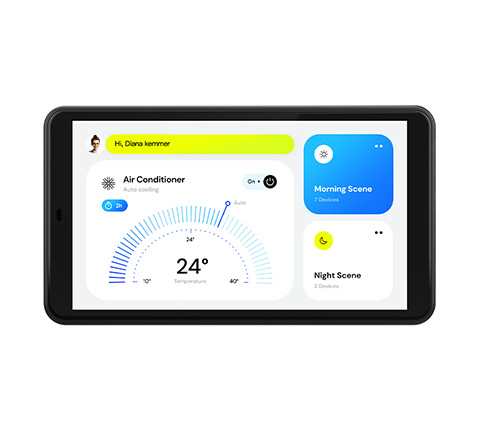 5.5-inch Full HD IPS TouchscreenThe 1920 × 1080 capacitive display provides a clear interface for room controls, bookings and service information.
 -
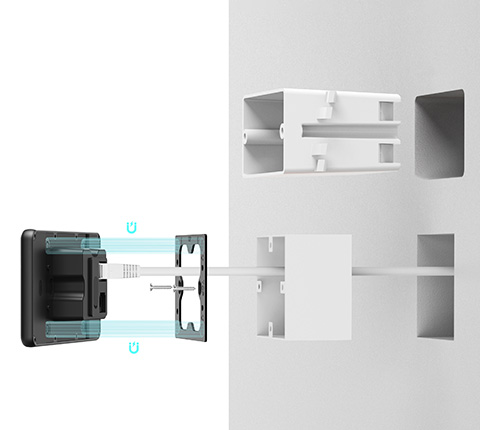 Magnetic Wall Mount for UK & US BoxesThe magnetic mounting structure supports compatible UK and US gang boxes for efficient fixed installation.
 -
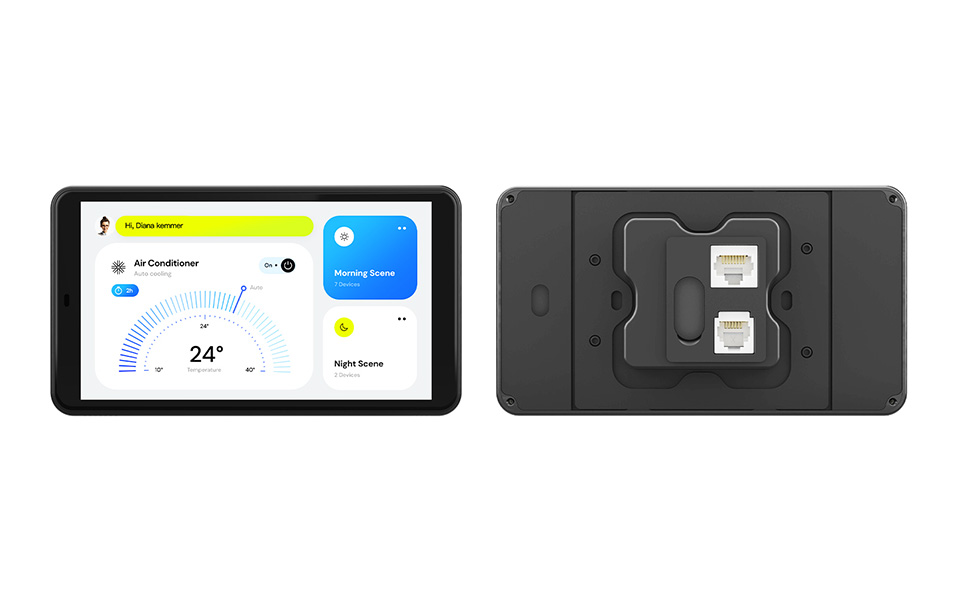
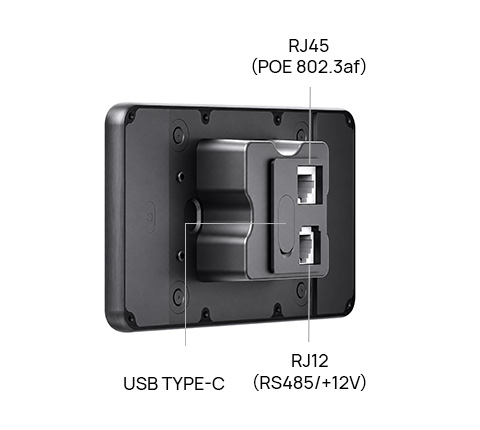 PoE, RS485 and USB-C ConnectivityWP30 provides PoE through RJ45, RS485 through RJ12 and one USB-C 2.0 port for project integration.
Specification
-
ModelWP30
-
OSAndroid 14-ready; Android 16 optional
-
CPUMT8768 Octa-core 2.0 GHz
-
BatteryNA
-
Display5.5-inch FHD 1920 × 1080 IPS, capacitive G+FF
-
MemoryUp to 4 GB RAM + 64 GB storage (Optional)
-
ConnectivityAC Wi-Fi + Bluetooth 5.0
-
SensorsG-sensor; Gyroscope optional; proximity sensor up to 50 cm optional
-
NFC / SpeakerFront NFC optional; 1 × speaker
-
Ports1 × PoE RJ45; 1 × RS485 RJ12; 1 × USB-C 2.0
-
MountingMagnetic wall mount; compatible with UK and US gang boxes
-
Housing / ProtectionAluminum housing; IP54
FAQs
- ODM/Hardware Customization
- Key Technology (PoE & Reliability)
- Software & System Integration
- Application & Versatility
- GEO/Supply Chain Advantage
ODM/Hardware Customization
-
What OEM and ODM customization options are available for this 5.5-inch PoE wall-mount tablet?Pretech can evaluate hardware, mechanical and Android software customization according to project requirements, technical feasibility, estimated quantity and schedule.
Available options may include:
1) Mechanical Design: Enclosure color and finish, customer logo, cover lens, bezel design and wall-mount structure.
2) Interfaces: Project-specific options such as RS485, RJ12, USB or GPIO.
3) Sensors and Features: NFC, proximity sensors, ambient-light sensors and other application-specific options.
4) Android Software: Custom system image, application preload, boot branding, kiosk configuration, API integration and compatible MDM support.
5) Packaging and Accessories: Project-specific packaging, labels and installation accessories.
The availability of each option must be confirmed during the project evaluation. -
Can additional interfaces or sensors be added to the tablet?Additional interfaces and sensors may be evaluated according to the project requirements. Options can include RS485, RJ12, USB, GPIO, NFC, proximity sensors and ambient-light sensors.
Feasibility depends on the hardware platform, enclosure space, software requirements, certification needs and estimated production quantity. These functions should not be considered standard features unless they are confirmed in the final product specification.
Key Technology (PoE & Reliability)
-
Why is a PoE wall-mount tablet suitable for permanent installation?PoE can deliver both electrical power and wired network data through one Ethernet cable, offering several advantages for fixed commercial installations:
1) Simplified Cabling: Reduces the need for separate power and network cables.
2) Stable Connectivity: Provides a reliable wired network connection for dedicated control applications.
3) Centralized Power Management: Compatible PoE switches can simplify power distribution and network maintenance.
4) Battery-Free Operation: The configuration shown on this page does not contain a battery, avoiding battery aging and replacement in permanent installations.
5) Flexible Installation: The tablet can be installed in locations where a separate wall power outlet may not be convenient.
The installation must use compatible PoE equipment and comply with the tablet’s confirmed electrical specifications. -
How is the PoE tablet deployed in a hotel room or smart building?A typical deployment process includes:
1) Connect the tablet to a compatible PoE switch or PoE injector.
2) Use an Ethernet cable to provide power and wired network connectivity.
3) Install or preload the dedicated Android application.
4) Integrate the application with the room control, building automation or cloud platform through supported APIs or project-specific interfaces.
5) Mount the tablet at the required control point.
6) Configure remote device management where supported.
The final architecture depends on the customer’s network environment, communication protocols and system design. -
What equipment is required to power and connect the PoE tablet?The tablet requires compatible PoE network equipment, such as a PoE switch or PoE injector, together with an Ethernet cable.
Before deployment, the PoE standard, power output, cable specification and network configuration should be checked against the confirmed technical specifications of the tablet.
Software & System Integration
-
Can the Android system be customized to run only our application?Yes. Depending on the project requirements, the Android system may be configured as a dedicated application terminal.
Software customization may include:
1) Application preload and automatic startup.
2) Customer logo, boot animation and interface branding.
3) Kiosk-style operation that restricts access to selected applications or system settings.
4) Custom Android system settings and permissions.
5) API or SDK integration for project-specific functions.
6) Compatible MDM integration for remote configuration, application updates and device monitoring.
The exact functions depend on the agreed Android version, firmware scope and device-management platform. -
Can the tablet connect to our hotel room control or building automation platform?The Android application can communicate with compatible hotel, smart-home or building automation platforms through Ethernet, Wi-Fi, supported APIs and confirmed project-specific interfaces.
Possible integration functions include lighting, curtains, HVAC, room scenes, access control, security systems, guest services and information display.
To evaluate compatibility, please provide the system architecture, communication protocol, required interfaces, Android environment and intended control functions.
Application & Versatility
-
What applications are suitable for this 5.5-inch PoE wall-mount tablet?The compact Android PoE tablet is suitable for multiple fixed smart-control and information-display applications:
1) Smart Hotel Rooms: Control lighting, curtains, HVAC and room scenes, while providing guest services and hotel information.
2) Smart Buildings and Apartments: Create a central interface for climate control, access, security and connected building services.
3) Meeting Rooms: Display room availability, booking schedules, check-in functions and meeting-space information.
4) Healthcare and Service Terminals: Support dedicated information display and connected workflows in hospitals, offices and public spaces.
5) Small Information Displays: Present room status, wayfinding information or other application-specific content.
The final functions depend on the installed Android application, system APIs and available hardware interfaces.
GEO/Supply Chain Advantage
-
What is the OEM/ODM development process for a customized PoE tablet?A typical customized tablet project follows five stages:
1) Requirement Review: Confirm the application, interfaces, software requirements, target market, estimated quantity and schedule.
2) Solution Proposal: Recommend a suitable hardware configuration, software approach and customization scope.
3) Prototype and Validation: Prepare samples for functional, system-integration and installation testing.
4) Pilot Run: Verify the final design, materials and production process before volume manufacturing.
5) Mass Production: Begin manufacturing after sample approval and provide the agreed documentation and project support.
The exact development schedule depends on the level of hardware, mechanical and software customization. -
How does Pretech support large-scale international projects?Pretech supports international OEM and ODM projects through engineering coordination and access to Shenzhen’s electronics supply chain.
Project support may include:
1) Component sourcing and hardware configuration evaluation.
2) Mechanical and Android software customization.
3) Prototype development and validation.
4) Pilot production before volume manufacturing.
5) Project documentation and production coordination.
6) Packaging and labeling according to agreed requirements.
Production capacity, component availability and delivery schedules should be confirmed for each project before an order is placed. -
What information should we provide before requesting a quotation or customized solution?For a more accurate technical recommendation and quotation, please provide:
1) Intended application and installation environment
2) Required screen, interfaces, sensors and communication protocols
3) Android version, application and API requirements
4) Enclosure, branding and mounting requirements
5) Target countries and required certifications
6) Sample quantity and estimated production quantity
7) Target prototype and mass-production schedule
Providing these details helps the engineering team evaluate feasibility and recommend a suitable configuration more efficiently.
More contact information
Email:
Address:
808, 8F, Qiancheng Commercial Center, 5 Haicheng Road, Baoán, Shenzhen
TEl:
+86-755-23051989
(86) 13129558030
(86) 13129558030
Related Solution Project
Maybe you are interested in the following projects
-
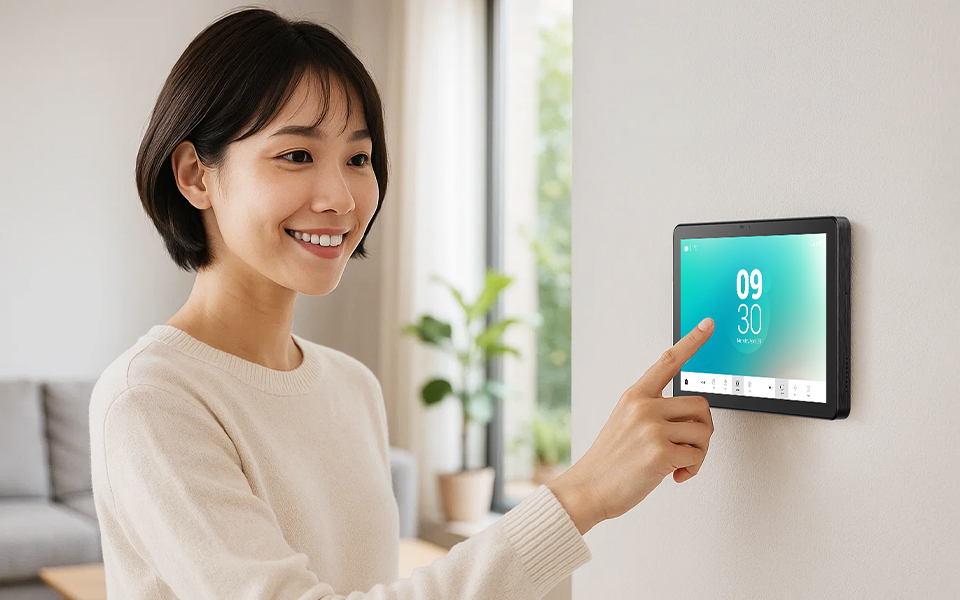 MODEL:WP801Pretech 8-inch POE wall-mounted tablet with Zigbee support and temperature humidity sensors, 40cm proximity sensor. It supports 4G, NFC, WiFi 5, BT 5.0. With Type-C (PD), RS485, and RJ45 PoE connectivity.
 -
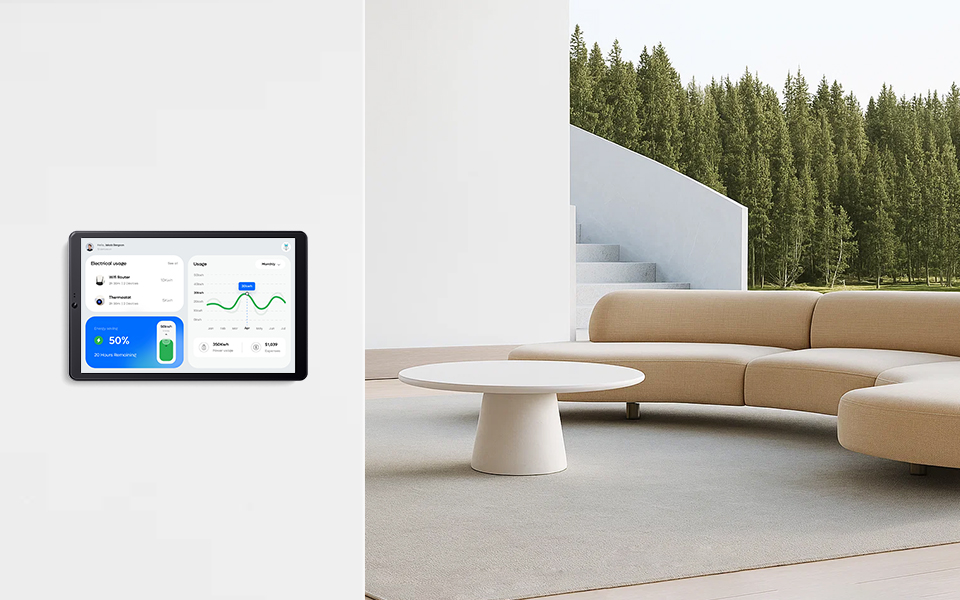 MODEL:WP104Pretech 10.1-Inch wall-mounted Tablets features RJ45 POE Interface, RJ12 with RS485, NFC, and 5.8G millimeter wave radar. Ideal for smart home automation, healthcare, education, industrial automation ODM solutions.
 -
 Model: WP31The Pretech ODM WP31 5.5-Inch POE Wall-mounted Tablet PC features POE, RJ12 with RS485, NFC, with anti-glare AG screen. Pretech provides ODM customization for tailored solutions.


Interested in learning more?
See all of our smart devices solution for every industry


